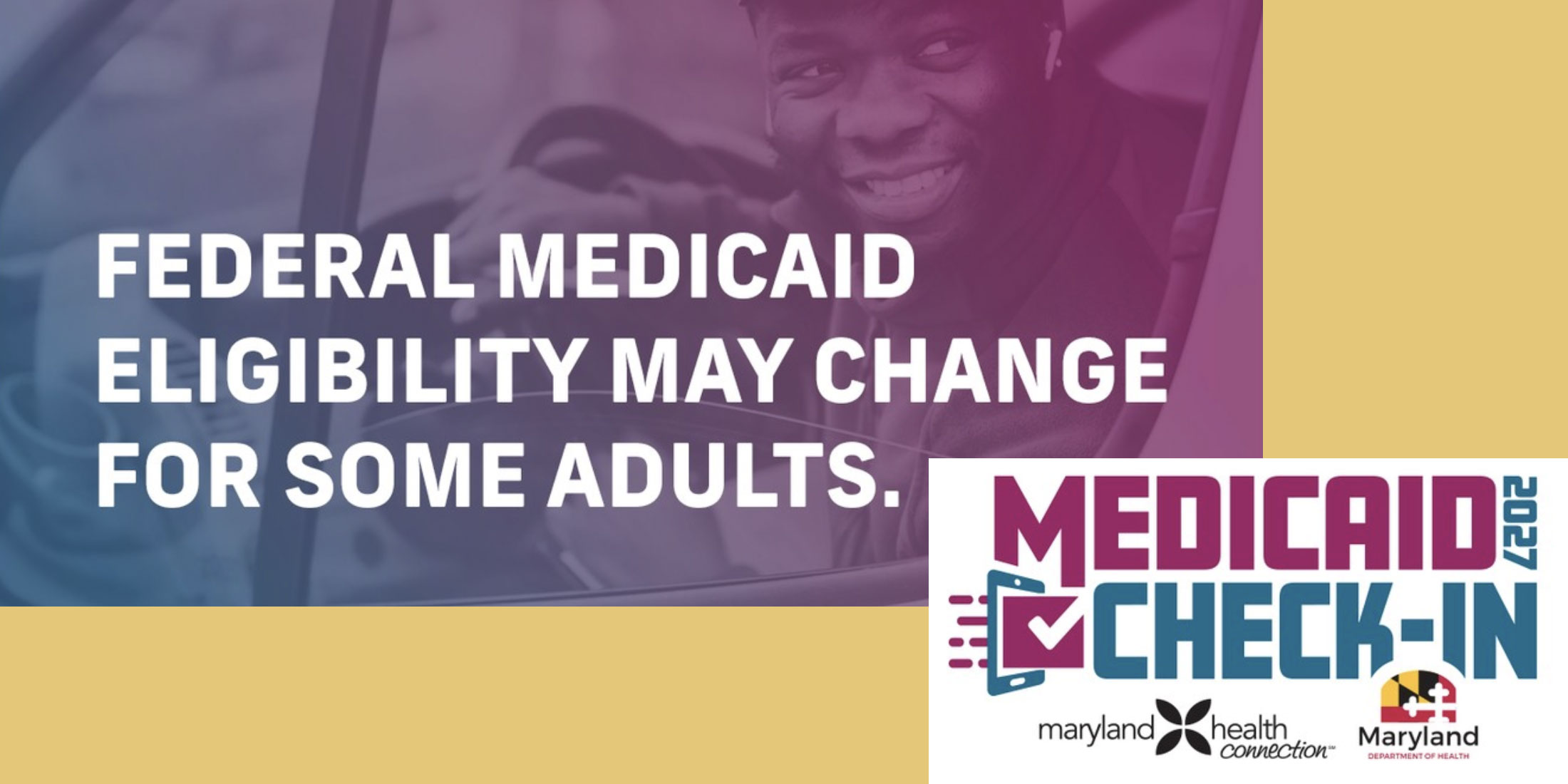

Leading By Example Supports Keep the Door Open Rally
On February 25th, over 500 consumers, family members, and advocates gathered in Annapolis for the Maryland Behavioral Health Coalition’s Keep the Door Open Rally. Their goal was to advocate for improved access to behavioral health services for individuals living with mental health and substance use disorders.

“Free Mind” Campaign to Address Youth Substance Use and Mental Health
Care Coordination Programs Are Key to Lasting Impact. Recently, The U.S. Centers for Disease Control and Prevention (CDC) officially launched Free Mind, a new national campaign designed to raise awareness of the connection between mental health and substance use in youth ages 12 to 17.

Bridging Awareness to Action – Helping Young People Build Healthy, Supported Futures
While awareness is critical, long-term outcomes depend on the availability of services that can support families and youth beyond the first conversation. That’s where care coordination programs, such as those provided by Leading By Example, can make a lasting impact.

The Importance of Mental Health for Adolescents
Depression, anxiety, and behavioral disorders are among the leading causes of illness and disability among adolescents. Globally, one in seven 10-19-year-olds experiences a mental disorder, accounting for 15% of the global burden of disease in this age group.
Helpful NewsJennifer Ross2026-10-29T16:10:33-04:00